

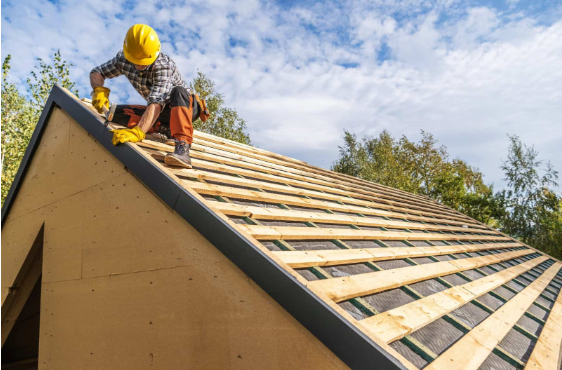
Upgrading your home roof is an important decision that can improve the safety, appearance, and value of your property. A strong roof protects your home from harsh weather, keeps your family safe, and can even make your house more energy-efficient.
Many homeowners wait too long to repair or replace their roofs, which can lead to bigger problems later. By planning carefully and understanding your options, you can make sure your roof upgrade is both effective and long-lasting.
Hire a Residential Roofing Contractor
One of the most important steps in upgrading your roof is hiring a skilled residential roofing contractor. A professional contractor has the experience and tools needed to complete the job safely and efficiently.
They can inspect your current roof, recommend the best materials, and make sure the installation follows local building codes. By working with a residential roofing contractor, you ensure that your roof is installed correctly and will last for many years.
Consider Choosing Flat Roofing
Flat roofing has become a popular option for many modern homes because it offers a sleek look and practical benefits. Flat roofing is easier to maintain and can provide extra space for rooftop gardens or solar panels. It is also generally quicker to install than sloped roofs, which can save time during a home renovation.
However, flat roofing does require proper drainage to prevent water damage. By carefully considering flat roofing, homeowners can create a stylish and functional roof that fits their lifestyle and the design of their home.
Select Durable Roofing Materials
When upgrading your roof, the materials you choose will determine how long it lasts and how well it protects your home. Popular options include asphalt shingles, metal roofing, and tile. Asphalt shingles are affordable and widely available, while metal roofing offers excellent durability and energy efficiency.
Tile roofing provides a unique aesthetic but can be heavier and more expensive. Choosing durable roofing materials ensures that your investment is worthwhile and reduces the need for frequent repairs.
Focus on Proper Ventilation and Insulation
A strong roof needs proper ventilation and insulation to perform well. Good ventilation prevents heat and moisture from building up in your attic, which can damage your roof and increase energy costs. Insulation helps keep your home comfortable by reducing heat loss in winter and heat gain in summer.
When upgrading your roof, consider both ventilation and insulation as part of the project. A well-ventilated and insulated roof not only lasts longer but also improves the comfort and energy efficiency of your home.
Plan for Regular Maintenance
After your new roof is installed, regular maintenance is essential to keep it in good condition. Cleaning gutters, checking for damage, and removing debris can prevent minor issues from turning into serious problems. Scheduling professional inspections every few years helps identify potential repairs early and extends the life of your roof.
By planning for regular maintenance, homeowners protect their investment and ensure their roof continues to provide reliable protection for many years.
Conclusion
Upgrading your home roof is a big project, but careful planning and informed choices make the process easier. Hiring a residential roofing contractor, considering flat roofing, selecting durable materials, ensuring proper ventilation, and planning for regular maintenance are key steps for a successful upgrade.
Taking the time to follow these tips will result in a roof that not only looks great but also protects your home and family for decades to come.