

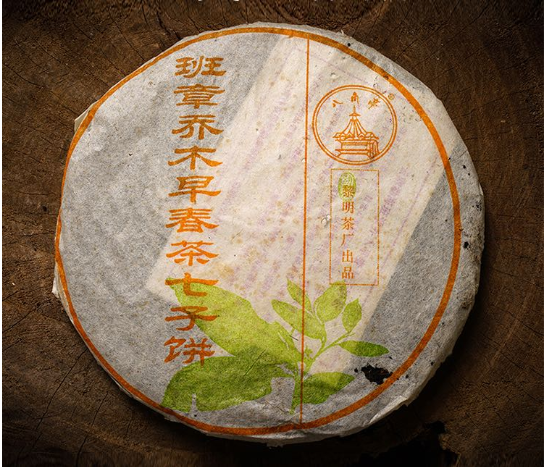
Have you ever wondered why sheng pu erh tea from the ancient Yunnan forests transforms into something as precious as liquid gold over time? This raw gem from Tea & Leaf’s premium loose leaf collection isn’t merely brew; it’s aged sheng with the elegance of fine wine. Discover its post-fermentation enchantment, the enzyme-driven evolution of its flavors, the richness of its terroir, and the reasons it develops greater complexity, smoothness, and value through proper storage. It’s an ideal choice for collectors seeking enjoyment that lasts a lifetime.
Key Takeaways:
- Sheng Pu-erh undergoes complex and subtle flavors, driven by natural enzymes from ancient Yunnan province tea trees, allowing gradual flavor transformation over long aging period.
- With proper storage, it develops richer, smoother flavors and deeper complexity, much like fine wine appreciating in value over time.
- Sourced from wild Yunnan forests with unique terroir, it showcases traditional craftsmanship, making it ideal for long-term collection and enjoyment.
1. Undergoes Complex Post-Fermentation Aging
Imagine sipping on a cup of pu’er tea that’s undergone post-fermentation aging, transforming raw sheng puerh into a masterpiece of flavor that true connoisseur crave. This unique process sets pu erh tea apart from regular green tea or black tea, as tea makers developed a technique in the province of Yunnan to naturally ferment loose leaf teas sourced from ancient Camellia sinensis trees in southwestern Yunnan, where sheng pu-erh and shou pu-erh tea evolve over a long aging period with shu cha methods, stored and aged to tea makers often mix tea to introduce desirable microbes, ensuring the time required for proper ripening results in earthy, complex and subtle flavors aged and brewed without additives.
Unlike other types of tea that stop at oxidation or steaming, sheng pu-erh undergoes naturally fermented changes over years. Tea makers often mix leaves from different regions in Yunnan province, home to wild tea trees, to create balanced profiles. This post-fermentation aging allows pu erh tea to develop depth, turning astringency into smooth, fruity notes.
For shou pu-erh, or shu cha, makers accelerate fermentation by piling and wetting leaves, mimicking natural processes. These are typically pressed into discs or disc or cakes for storage. Tea & Leaf’s authentic selections highlight this craft from areas like Menghai, offering well-aged options ready to brew.
Aged sheng rewards patience, as pressed tea cakes were exported, popularized in hong kong by immigrant populations after the chinese Chinese civil war. Connoisseurs favor sheng pu-erhs for their complex evolution into dark teas. Steep a pu’er cake at home to taste how fermented tea shifts from bold to refined over time.
Develops Richer Flavors Over Time
As your sheng puer ages gracefully, it develops richer flavors over time, turning from vibrant and fruity notes into deep, earthy profiles that pu-erh tea lovers can’t get enough of. Young sheng pu-erh starts with bright, apricot-like tastes and a touch of astringency from its green tea base. Over years, natural fermentation softens these into smooth, complex layers.
Connoisseurs favor pu-erhs for their complex and subtle flavors that evolve during a long aging period. From the province of Yunnan, home to wild tea trees, these teas ferment slowly when stored properly. Tea makers press leaves into discs or cakes, allowing Camellia sinensis leaves to develop woody and earthy tones.
Well-aged varieties shift from fruity to profound earthy notes, much like fine wine. This transformation happens through naturally fermented processes in southern China, where sheng pu-erhs gain depth without additives. Brew a cup of Tea & Leaf’s premium loose leaf sheng puerh at home to taste the difference after steeping.
Experts recommend starting with younger puer tea cakes from Menghai Yunnan province for personal aging experiments. Store them in cool, humid spots to encourage desirable microbes, just as traditional tea makers do. Aged and brewed right, sheng pu offers a rewarding journey for any connoisseur.
3. Sourced from Ancient Yunnan Tea Trees
Our pu-erh tea at Tea & Leaf is sourced from ancient Yunnan tea trees in the province of Yunnan, a region in southern China and southwestern Yunnan that’s famously home to wild tea trees thriving in pristine forests. These Camellia sinensis varietals grow wild, far from plantations. Their deep roots draw minerals from mineral-rich soils.
Unlike typical tea leaf sources on managed farms, Yunnan province offers a unique terroir with high altitude, misty climates, and diverse ecosystems. This environment shapes the sheng pu-erh leaves with robust qualities ideal for natural fermentation. Tea makers prize these trees for their resilience and flavor potential.
The wild tea trees produce leaves that withstand long aging periods, developing complex and subtle flavors over time. Tea & Leaf selects from these authentic sources to ensure connoisseur-quality pu-erh. Brew a cup from these leaves, and notice the earthy depth that evolves with each steep.
Southern China’s southwestern Yunnan terroir contrasts with uniform plantation teas, giving sheng puerh its aging edge. Stored and aged naturally, these pu erh teas transform without additives. Connoisseurs seek this origin for teas that ripen into well-aged masterpieces.
4. Retains Natural Enzymes for Gradual Transformation
Pu erh pu’erh retains natural enzymes from Camellia sinensis leaves, allowing a gradual transformation through ferment processes that tea makers developed a technique to harness, introducing desirable microbes for naturally fermented magic.
These enzymes, present in sheng pu-erh from Yunnan province, kick off slow chemical changes when the tea is stored and aged. Tea makers carefully select leaves from home to wild tea trees in southwestern Yunnan to preserve this activity. Over time, this leads to complex shifts in flavor, from fruity and astringent notes to earthy depths.
To guide the process, tea makers often mix batches with specific microbes that enhance natural fermentation without accelerators. This method mimics the traditional approach for sheng puerh, where pressed tea cakes were exported and aged naturally. The result is pu erh tea that evolves beautifully, rewarding patient connoisseurs.
Tea & Leaf stays true to this by offering pure, additive-free pu-erh tea, aged and brewed without additives for authentic taste. Brew a well-aged sheng pu at a short steep to notice the subtle transformation firsthand. Experts recommend storing loose leaf sheng pu-erhs in cool, humid spots to let enzymes work their charm.
5. Improves with Proper Storage Conditions
Proper storage conditions are key for pu-erh tea to improve over time, ensuring it’s stored and aged just right so you can brew and steep a perfect cup with reduced astringency and enhanced smoothness.
Sheng pu-erh, a naturally fermented tea from Yunnan province, thrives in cool, humid spots away from strong light and odors. Think of a dark cupboard or specialized tea humidor that mimics the misty hills of southwestern Yunnan, home to wild tea trees. This setup lets sheng puerh develop its complex and subtle flavors over a long aging period.
Tea makers in MengHai and beyond press sheng pu into discs or cakes for export, a tradition dating back when pressed tea cakes were exported and popularized in Hong Kong by immigrant populations after the Chinese civil war. Store your loose leaf or compressed pu’erh at around 70-80% humidity to encourage slow ferment. pu-erhs are generally favored, connoisseurs for their complex well-aged sheng pu-erhs for their shift from fruity and green notes to smooth, earthy depths.
To minimize astringency when you brew, use cooler water at 185-195°F for young sheng puer and steeper times of 10-20 seconds per infusion. Experts recommend multiple short steeps to unlock layers without bitterness. Check Tea & Leaf’s resources on tea brewing and storage for tips tailored to pu erh tea like yours.
6. Gains Deeper Complexity and Smoothness
Over time, pu-erhs as dark teas gain deeper complexity and smoothness, delighting every connoisseur and master tea enthusiast with layers that unfold sip by sip steep. Sheng pu-erh tea, a naturally fermented tea from Yunnan province, transforms through a long aging period. This process reduces initial astringency while building subtle flavors.
Young sheng pu-erhs often taste sharp and vegetal, like fresh green tea with fruity notes. As they age, sheng puerh develops an earthy depth, with hints of wood and honey emerging. Connoisseurs prize this evolution in well-aged examples from southwestern Yunnan, home to wild tea trees.
Tea & Leaf’s rare selections highlight this potential, offering loose leaf or pressed tea cakes ideal for home aging. Brew aged sheng pu at lower temperatures to reveal its complex and subtle flavors. Master tea appreciation comes alive as each steep uncovers new dimensions, from camphor to sweet malt.
Unlike shou pu-erh tea, which ferments quickly, sheng pu-erh rewards patience with smoother texture over years. Tea makers in Menghai often mix leaves to introduce desirable microbes for optimal ripening. Stored and aged properly, these pu erh teas become favorites among those seeking refined pu’er profiles.
7. Appreciates in Value Like Fine Wine expensive type of pu-erh teas, demand for pu-erh teas began, where tea is made, types of tea
Just like fine wine, pu-erh tea appreciates in value, with expensive type of pu er teas seeing surging demand for pu’erh teas that began centuries ago when pressed tea cakes were exported, typically pressed into discs for aging.
Tea makers in Yunnan province crafted these sheng pu-erh cakes for long journeys along trade routes. Merchants valued their durability and ability to improve over time through natural fermentation. Collectors today seek out well-stored examples for their complex and subtle flavors.
Unlike other types of tea, sheng pu develops depth during a long aging period, much like wine in a cellar. Connoisseurs prize aged sheng for reduced astringency and richer profiles in its fermented style. This transformation drives market interest in pu’er from regions like Meng Hai.
Start building your collection with quality sheng puerh discs from trusted sources like Tea & Leaf. Store them in cool, humid conditions to mimic traditional methods. Over years, watch as your investment yields both enjoyment and potential value growth.
8. Showcases Traditional Craftsmanship
Pu-erh tea showcases traditional craftsmanship where tea makers often mix leaves expertly, shaping them into disc forms as revered cha from Yunnan’s heritage. In the province of Yunnan, artisans select leaves from ancient Camellia sinensis trees, blending them to introduce desirable microbes for natural fermentation. This hands-on process highlights the skill passed down through generations.
Tea makers developed a technique to press sheng pu-erh into discs, a practice that began when pressed tea cakes were exported along ancient trade routes. These pu erh tea discs, often from southwestern Yunnan, allow for proper storage and aging, enhancing their earthy and fruity notes over time. Artisans at Tea & Leaf honor this method with their artisan tea makers and curated sets.
For sheng puer, mixing leaves balances astringency and introduces complexity that unfolds during a long aging period. Connoisseurs appreciate how well-aged sheng develops complex and subtle flavors when stored and aged correctly. Tea & Leaf’s sets make it easy to explore this master tea tradition at home.
Unlike quicker shu cha or shou pu-erh, sheng pu-erhs demand patience, reflecting Yunnan’s role as home to wild tea trees. Brew a disc by rinsing and steeping in hot water to reveal its naturally fermented depth. Tea & Leaf celebrates these tea makers through premium loose leaf and pressed options.
9. Offers Unique Terroir from Wild Forests
Experience the unique terroir from wild forests in places like Menghai, where our loose leaf sheng puerh captures the essence of ancient wild tea trees. These trees grow in the province of Yunnan, home to wild tea trees that thrive in untouched environments. This setting gives sheng pu-erh tea its distinct character.
The Menghai wild forests influence loose leaf sheng puerh through soil, climate, and biodiversity. Roots of old Camellia sinensis trees draw minerals from rich forest floors, adding depth to the fruity and earthy notes. Tea makers value this terroir for its role in creating complex flavors that evolve during a long aging period.
Unlike plantation teas, sheng puerh from these forests ferments naturally as it is stored and aged. Connoisseurs seek out this sheng pu-erh for its subtle astringency and potential to develop well-aged profiles. Brew a cup to taste how the wild environment shapes each steep.
Tea & Leaf sources premium Yunnan pu-erh from such regions, ensuring authentic sheng puer quality. Explore this fermented tea style to appreciate why pu erh tea from Menghai stands out among types of tea. Its unique terroir makes it a favorite for those who enjoy aged sheng.
10. Enables Long-Term Collection and Enjoyment
Pu-erh enables long-term collection and enjoyment, a tradition popularized in Hong Kong by immigrant populations after the Chinese Civil War, where puer and shou puerh found new fans, perfect for savoring with elegant tea sets via our global shipping at Tea & Leaf.
After the Chinese Civil War, pressed tea cakes were exported from Yunnan province to Hong Kong. These sheng pu-erh teas, home to wild tea trees in southwestern Yunnan, drew collectors among immigrants seeking familiar comforts. The demand for pu-erh teas grew as they offered a taste of southern China amid upheaval.
Connoisseurs value sheng puer for its aging potential, where natural fermentation develops complex and subtle flavors over years. Store them in cool, dry spaces to mimic traditional methods. Pair well-aged discs with tea sets for a ritualistic brew, noting how earthy notes evolve into fruity depths.
Shou pu-erh tea, or shu cha, suits immediate enjoyment after its accelerated ferment process. Tea makers developed a technique to introduce desirable microbes, ripening the fermented tea faster. With Tea & Leaf’s worldwide delivery, start your collection of loose leaf or pressed pu erh tea for home steeping.
Frequently Asked Questions
Why Sheng Pu Erh Tea Is Known for Aging Potential and What Makes It Unique?
Sheng Pu Erh Tea is known for its aging potential due to its raw, unfermented leaves from ancient Yunnan tea trees, which undergo natural post-fermentation over time. At Tea & Leaf, our rare loose-leaf Sheng Pu Erh develops complex flavors like honeyed sweetness and subtle astringency as it ages, making it a collector’s favorite sourced directly from pristine forests.
Why Sheng Pu Erh Tea Is Known for Aging Potential Compared to Other Teas?
Unlike fully fermented Shu Pu Erh or other green teas that lose vibrancy quickly, Sheng Pu Erh is known for its aging potential because its high polyphenol content and microbial activity allow it to evolve for decades. Tea & Leaf’s authentic selections from Yunnan’s ancient trees showcase this transformation, with proper storage enhancing fruity and woody notes over time.
Why Sheng Pu Erh Tea Is Known for Aging Potential in Traditional Chinese Culture?
Sheng Pu Erh Tea is known for its aging potential in Chinese tea culture, where it’s stored like fine wine to appreciate in value and taste. Tea & Leaf honors this tradition with premium loose-leaf teas from old-growth forests, crafted traditionally to mature gracefully, offering global customers an elegant journey into tea heritage.
Why Sheng Pu Erh Tea Is Known for Aging Potential and How to Store It Properly?
The aging potential of Sheng Pu Erh Tea stems from its natural enzymes and bacteria that slowly ferment the leaves, improving smoothness and depth. Tea & Leaf recommends storing our Sheng Pu Erh in cool, humid-free environments away from sunlight—perfect for our customers worldwide, with expert brewing guides to unlock its aged potential.
Why Sheng Pu Erh Tea Is Known for Aging Potential for Health Benefits?
Sheng Pu Erh Tea is renowned for its aging potential, as maturation increases antioxidants and probiotics, aiding digestion and wellness. Sourced from Yunnan’s ancient tea forests by Tea & Leaf, our raw Sheng Pu Erh transforms into a healthier brew over years, paired with elegant tea sets for the ultimate premium tea experience.
Why Sheng Pu Erh Tea Is Known for Aging Potential When Sourcing from Tea & Leaf?
Sheng Pu Erh Tea’s legendary aging potential shines with Tea & Leaf’s rare, authentic loose-leaf varieties from Yunnan’s oldest trees, undergoing minimal processing to preserve transformative qualities. Enjoy global shipping and storage tips to age your tea into a treasure, highlighting our commitment to traditional craftsmanship and tea education.