

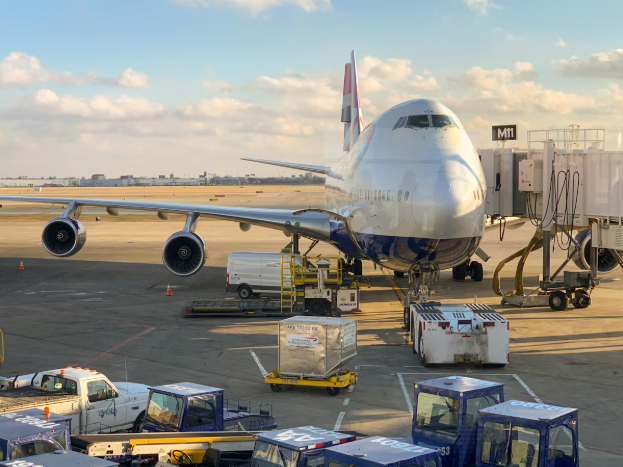
Shipping fragile items by air requires careful preparation and attention to detail. Air cargo handling often involves multiple loading and unloading stages, changes in air pressure, and movement during transit. Without proper packaging and securing techniques, delicate goods such as glassware, electronics, laboratory equipment, or decorative items can easily become damaged. Whether you are a business owner or an individual sending valuable items, understanding how to pack fragile cargo correctly can save time, money, and stress.
Below are key strategies to help you secure fragile items effectively when packing air cargoes.
1. Use High-Quality Protective Packaging
The first step in protecting fragile items is selecting the right packaging materials. Use sturdy, double-walled corrugated boxes that can withstand pressure during stacking. Wrap each item individually with bubble wrap, foam sheets, or air cushions to absorb shocks.
For highly delicate goods, consider using moulded foam inserts or custom packaging that holds the item firmly in place.
2. Cushion and Fill Empty Spaces Properly
Empty spaces inside packaging can cause items to shift during transport. Use packing peanuts, foam padding, or crumpled kraft paper to fill all gaps. Ensure that the item remains stable when you gently shake the box. The goal is to prevent any internal movement.
For extremely fragile goods, double boxing is recommended. Place the cushioned item inside a smaller box, then position that box inside a larger one with additional padding between them. This extra layer of protection significantly reduces impact damage.
3. Secure Cargo with Strong Restraints Like CGU 8/A Tensioner
Once packed, fragile goods must be properly secured on pallets or within cargo containers. During air transport, turbulence and handling can cause loads to shift if not firmly restrained. Using reliable securing tools such as a CGU 8/A tensioner ensures straps are tightened correctly to stabilise cargo.
Proper tensioning prevents pallets from moving, tilting, or collapsing during transit. High-quality lashing equipment is essential for maintaining load integrity and reducing the risk of damage to fragile shipments.
4. Label Clearly and Accurately
Clear labelling plays a critical role in handling fragile air cargo. Mark all sides of the package with “Fragile,” “Handle with Care,” and “This Side Up” labels where appropriate. While labels do not guarantee special treatment, they alert cargo handlers to exercise caution.
Additionally, ensure all shipping documentation is accurate and visible. Proper labelling minimises confusion and helps ensure your items are handled correctly at every stage of the journey.
5. Consider Climate and Pressure Sensitivity
Air transport exposes cargo to changes in air pressure and temperature. Some fragile items, particularly electronics or liquid-filled containers, may be sensitive to these conditions. Use sealed, pressure-resistant packaging where necessary.
Insulated materials can help regulate temperature fluctuations. Understanding the nature of your goods allows you to choose packaging that provides both physical and environmental protection.
Conclusion
Securing fragile items for air cargo requires more than basic packing. By using high-quality protective materials, eliminating internal movement, applying strong restraint equipment, labelling clearly, and accounting for environmental factors, you can significantly reduce the risk of damage. Careful preparation ensures that your delicate goods arrive safely, maintaining their value and integrity throughout the shipping process.