

Rwanda is often described as a gorilla destination, and that is a fair first impression. But a safari in Rwanda offers far more. In a single compact country you can track mountain gorillas in volcanic forest, watch lions and rhinos on open savannah, walk a canopy bridge above ancient rainforest, kayak on a calm highland lake, and hike to a crater summit.
That variety is the country’s biggest strength.Safaris Rwanda and adventures parks are close together, its roads are good, and its conservation model is well organized. This guide covers the main safari and adventure experiences, when to go, how to plan, and how to travel responsibly.
Why Rwanda Works So Well for Safaris and Adventures
Short distances. Rwanda is roughly the size of a small European country. Most major attractions are a few hours apart by road, so you spend more time in the wild and less time in a vehicle.
Safety and order. Rwanda is widely regarded as one of the safest and cleanest countries in Africa. Park systems are professionally managed, and visitor services are reliable.
Diverse landscapes. Volcanoes, montane forest, rolling tea hills, lakes, wetlands, and savannah all appear within a single itinerary.
Conservation focus. Tourism fees fund anti-poaching work, habitat protection, and community projects, so your trip contributes directly to the places you visit.
Akagera National Park: Rwanda’s Classic Savannah Safari
If you want a traditional African safari, Akagera National Park in the east is the place. It is Rwanda’s only savannah park, a mosaic of grassland, woodland, swamps, and lakes along the Tanzanian border.
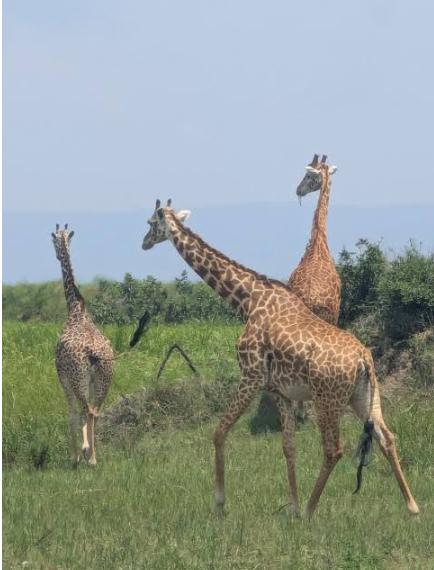
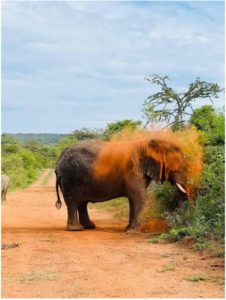
Akagera has one of conservation’s stronger recovery stories. After years of pressure on its wildlife, the park has been revitalized through a partnership between the Rwandan authorities and a conservation organization. Lions and black rhinos have been reintroduced, and the park now offers the chance to see all of the so-called Big Five: lion, leopard, elephant, buffalo, and rhino.
What to do in Akagera:
- Game drives. Morning and late afternoon drives are the best times to see giraffes, zebras, buffalo, elephants, antelope such as topi and impala, and with luck, predators.
- Boat safaris. Cruises on Lake Ihema bring you close to hippos, crocodiles, and a rich variety of water birds.
- Night drives. Guided evening drives can reveal nocturnal species such as civets, genets, and bushbabies.
- Birdwatching. The park is a prize for birders, with swamp specialists such as the shoebill among the species enthusiasts hope to find.
Akagera is also manageable in size and distance from Kigali, so it fits easily into a trip that combines savannah wildlife with gorillas.
Volcanoes National Park: Gorillas and Beyond
Volcanoes National Park, in the northwest, is the setting for Safaris Rwanda and adventures most famous wildlife encounter. Mountain gorilla trekking here is a tightly regulated one-hour visit with a habituated family, and it remains the centerpiece of many itineraries.
The same park offers excellent adventures for those who want more than a single activity:
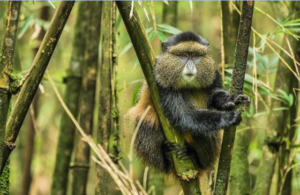
- Golden monkey tracking. These rare, striking primates live in the bamboo forest, and the trek is generally shorter and easier than a gorilla hike.
- Dian Fossey hike. A guided walk leads to the site of the former research camp and the grave of the pioneering primatologist, with a deeper look at the history of gorilla conservation.
- Mount Bisoke crater lake hike. A demanding but rewarding climb takes you to a clear crater lake at the summit of a dormant volcano.
- Mount Karisimbi climb. For serious hikers, this is a multi-day ascent of Rwanda’s highest volcano, with camping near the summit.
- Twin Lakes and cultural visits. Lakes Burera and Ruhondo are scenic stops, and community visits offer traditional dance, crafts, and a window into daily life.
Nyungwe Forest National Park: Primates and Canopy Adventures
In the southwest, Nyungwe Forest National Park protects one of Africa’s oldest and largest montane rainforests. It is a world-class destination for primates and birds.
Chimpanzee trekking. Habituated chimpanzee groups can be visited on guided treks. The terrain is challenging and the forest is thick, but the reward is watching these energetic, expressive animals up close.
Other primates. Nyungwe is home to a notable number of primate species, including colobus monkeys that can appear in large troops.
Canopy walkway. A suspension walkway high above the forest floor gives a rare view of the treetops and a sense of the forest’s scale. It is a highlight for those who enjoy heights.
Waterfalls and forest trails. Numerous marked hiking trails lead to waterfalls, viewpoints, and quiet stretches of forest, and birders can find many regional specialties.
Nyungwe’s cool, misty climate also makes it a welcome change after the heat of the savannah.
Gishwati-Mukura National Park
Rwanda’s newer park protects remnants of once-extensive forest in the west. It is smaller and less visited, but it offers a quieter experience and a chance to see how forest restoration and community involvement can bring a landscape back to life. It suits travelers who want to go beyond the main circuit.
Lake Kivu and the Congo Nile Trail
After days of trekking and driving, Lake Kivu offers a gentler pace. The lake lies along Rwanda’s western border and is lined with small towns, beaches, and lodges.
- Kayaking and boat trips. The calm water is excellent for paddling, and island visits are popular.
- Cycling the Congo Nile Trail. This long route follows the lakeshore and climbs through hills, villages, and coffee and tea country. Cyclists and hikers can do a section or several days of it.
- Relaxation. Lakeside lodges are good places to rest before a flight home.
Culture and History
A Rwandan adventure is not complete without time spent understanding the country’s people and history. In Kigali, the Kigali Genocide Memorial offers a sober and respectful account of the 1994 genocide against the Tutsi and the country’s path to reconciliation. Art galleries, craft markets, and cafes show the creativity and energy of the modern capital. Elsewhere, cultural experiences such as traditional Intore dance, village walks, and visits to the former royal palace at Nyanza give context to the landscapes you travel through.
Sample Itineraries
3 days: Gorilla Express. Kigali, drive to Volcanoes National Park, gorilla trek, return to Kigali. Ideal for travelers with limited time.
5 days: Gorillas and Savannah. Kigali, Volcanoes National Park for gorillas and golden monkeys, then Akagera for game drives and a boat safari.
7 to 10 days: The Full Rwanda. Kigali, Akagera, Volcanoes, Lake Kivu, and Nyungwe, combining savannah safaris, gorillas, chimpanzees, a canopy walk, and a lakeside rest.
Best Time to Visit
Rwanda can be visited year-round, but the seasons shape your experience.
- Dry seasons (June to September and December to February): The best conditions for hiking and wildlife viewing. Savannah animals gather near water, and trails are firmer. These are the busiest months, so book ahead.
- Wet seasons (March to May and October to November): More rain and mud, but greener scenery, fewer visitors, and often easier availability for permits and lodges.
Since you are traveling in October now, planning ahead for the June to September window is a sensible way to secure permits and rooms.
Planning Tips
- Book permits early. Gorilla permits and some other activity permits are limited and can sell out in peak months.
- Confirm current prices. Fees and policies can change, so check with the Rwanda Development Board or a licensed operator.
- Pack for variety. Bring waterproof hiking boots, layers, a rain jacket, gloves, sun protection, and insect repellent.
- Allow rest days. Hiking at altitude and long drives can be tiring, so build a gentle day into your plan.
- Choose a reputable operator. Look for licensed local companies with transparent pricing, good reviews, and responsible practices.
- Travel responsibly. Respect wildlife distances, follow park rules, buy local crafts, and tip guides and porters fairly.
Conclusion
Safaris Rwanda and adventures show how much a small country can offer. In one trip you can follow mountain gorillas through volcanic forest, scan the savannah for lions and rhinos, walk above the canopy in Nyungwe, and unwind beside Lake Kivu. Every stop is backed by a conservation model that returns real benefits to wildlife and local communities. Plan early, pack for changeable weather, choose a trusted operator, and leave time to enjoy the pace of the journey. Rwanda rewards curiosity, and its landscapes and people leave a lasting impression.
Key Takeaways
- Rwanda offers gorillas, chimpanzees, savannah wildlife, lakes, and volcano hikes in one compact country.
- Akagera National Park provides classic game drives, boat safaris, and the chance to see the Big Five.
- Volcanoes National Park offers gorilla trekking, golden monkeys, crater hikes, and the Dian Fossey trail.
- Nyungwe Forest is the destination for chimpanzees, canopy walks, and rainforest hiking.
- Lake Kivu and the Congo Nile Trail add relaxation, kayaking, and cycling.
- The dry seasons are the most popular, while wet seasons are quieter and greener.
- Book permits early and confirm current fees with the Rwanda Development Board or a licensed operator.
- Responsible travel supports conservation and local communities.
Frequently Asked Questions
What is the best safari experience in Rwanda?
It depends on your interests. Akagera suits classic game viewing, Volcanoes National Park suits gorillas, and Nyungwe suits chimpanzees and forest adventure. Many travelers combine all three.
Can you see the Big Five in Rwanda?
Akagera National Park is home to lions, leopards, elephants, buffalo, and rhinos, though sightings of any wild animal are never guaranteed.
How many days do I need for a Rwanda safari?
Three days is enough for a gorilla trek, while five to ten days allows you to add Akagera, Nyungwe, and Lake Kivu comfortably.
When is the best time to go?
June to September and December to February are the driest and most popular periods. The wetter months offer fewer crowds and lush scenery.
Is Rwanda safe for tourists?
Rwanda is generally considered one of the safer and more orderly destinations in Africa. As always, check your government’s current travel advice before you go.
How fit do I need to be?
Game drives and boat trips need little fitness. Gorilla, chimpanzee, and volcano hikes need moderate fitness, and the most demanding climbs, such as Karisimbi, need good stamina.
Can I combine gorilla trekking with a savannah safari?
Yes. This is one of Rwanda’s most popular combinations, and Akagera and Volcanoes can be linked in a single itinerary.
Are children allowed on safari in Rwanda?
Children can enjoy many activities, including game drives. Gorilla and chimpanzee trekking have minimum age limits, typically 15 for gorillas, so check rules for each activity.
What should I pack?
Waterproof hiking boots, layers, a rain jacket, gloves, a hat, sunscreen, insect repellent, binoculars, and a camera.
Do I need a tour operator?
You can arrange some activities independently, but a licensed operator simplifies permits, transport, and logistics, especially for multi-park trips.