

Introduction
brown vs board of education is one of the most important Supreme Court cases in the history of the United States. This important case, which was decided in 1954, changed the country’s legal, social, and educational environment by making it illegal for public schools to be racially segregated. Brown v. Board of Education took on long-standing policies that kept kids apart based on race and made the idea of equality under the law more than just a symbol. To comprehend the enduring significance of Brown v. Board of Education, it is imperative to analyze its historical context, legal rationale, verdict, and long-term implications.
The History of Racial Segregation in the United States

Before brown vs board of education, racial segregation was a big aspect of American life, especially in the southern states. After the Civil War and the end of slavery, the Reconstruction era temporarily promised African Americans more rights. But these accomplishments were slowly undone by unfair laws called Jim Crow laws. These rules required people to be separated in public places like schools, homes, and transportation.
One of the most obvious signs of segregation was public schools. African American pupils had to go to different schools that were often poorly funded, overcrowded, and didn’t have the basic supplies they needed. The idea of “separate but equal” was designed to make things fair, but in practice it led to a lot of unfairness. The Supreme Court upheld this legal notion in the 1896 decision Plessy v. Ferguson, which provided the basis for segregation practices across the country.
The Path to Brown vs Board of Education
Brown vs board of education didn’t just happen out of the blue; it was the result of years of legal work and careful planning by civil rights groups. The National Association for the Advancement of Colored People (NAACP) was very important in fighting segregation in court. Instead of trying to get rid of segregation completely, early legal efforts focused on showing how unfair it was in segregated places.
The NAACP’s Legal Defense Fund, directed by lawyers like Thurgood Marshall, changed its strategy in the middle of the 20th century. They started to say that segregation was unfair in and of itself, especially in schools. This argument set the stage for brown vs board of education by pointing out that segregation hurts people in both mental and social ways, not only in terms of money.
The Cases Merged into Brown vs Board of Education

The case brown vs board of education was not just one case; it was a group of cases from different states. The purpose of all of these cases was the same: to fight against racial segregation in public schools. The most well-known cases were lawsuits from Kansas, South Carolina, Virginia, Delaware, and the District of Columbia.
In each case, African American families wanted their children to have greater educational options. For instance, Linda Brown had to go to a segregated school in Kansas that was distant from her home, even though a white school was much closer. These individual instances showed how unfair segregation was as a whole and made the legal case stronger when it was brought to the Supreme Court.
Table 1: Important Cases in Brown vs Board of Education
| State or District | Case Name | Primary Issue |
|---|---|---|
| Kansas | Brown vs Board of Education | Segregated elementary schools |
| South Carolina | Briggs v. Elliott | Inequality in school facilities |
| Virginia | Davis v. County School Board | Denial of equal education |
| Delaware | Gebhart v. Belton | Access to white schools |
| District of Columbia | Bolling v. Sharpe | Segregation under federal authority |
Arguments Made to the Supreme Court
The Fourteenth Amendment’s Equal Protection Clause was the main point of the legal arguments in brown vs board of education. This amendment says that no state can refuse anyone in its jurisdiction equal protection under the law. The plaintiffs said that separate schools went against this concept, even if the buildings were the same.
Social science research, especially studies on child psychology, was a very important part of the case. One significant study showed that segregation hurt African American children by making them feel inferior and lowering their self-esteem. These results backed up the claim that segregation had impacts that couldn’t be seen that made equality impossible.
The defendants, who were school boards, said that segregation was a long-standing practice that had been upheld by other cases. They used Plessy v. Ferguson a lot and said that states had the freedom to run their own schools. But the Supreme Court was becoming less and less convinced by these arguments in light of how we now conceive equality.
The Supreme Court’s ruling in Brown vs Board of Education
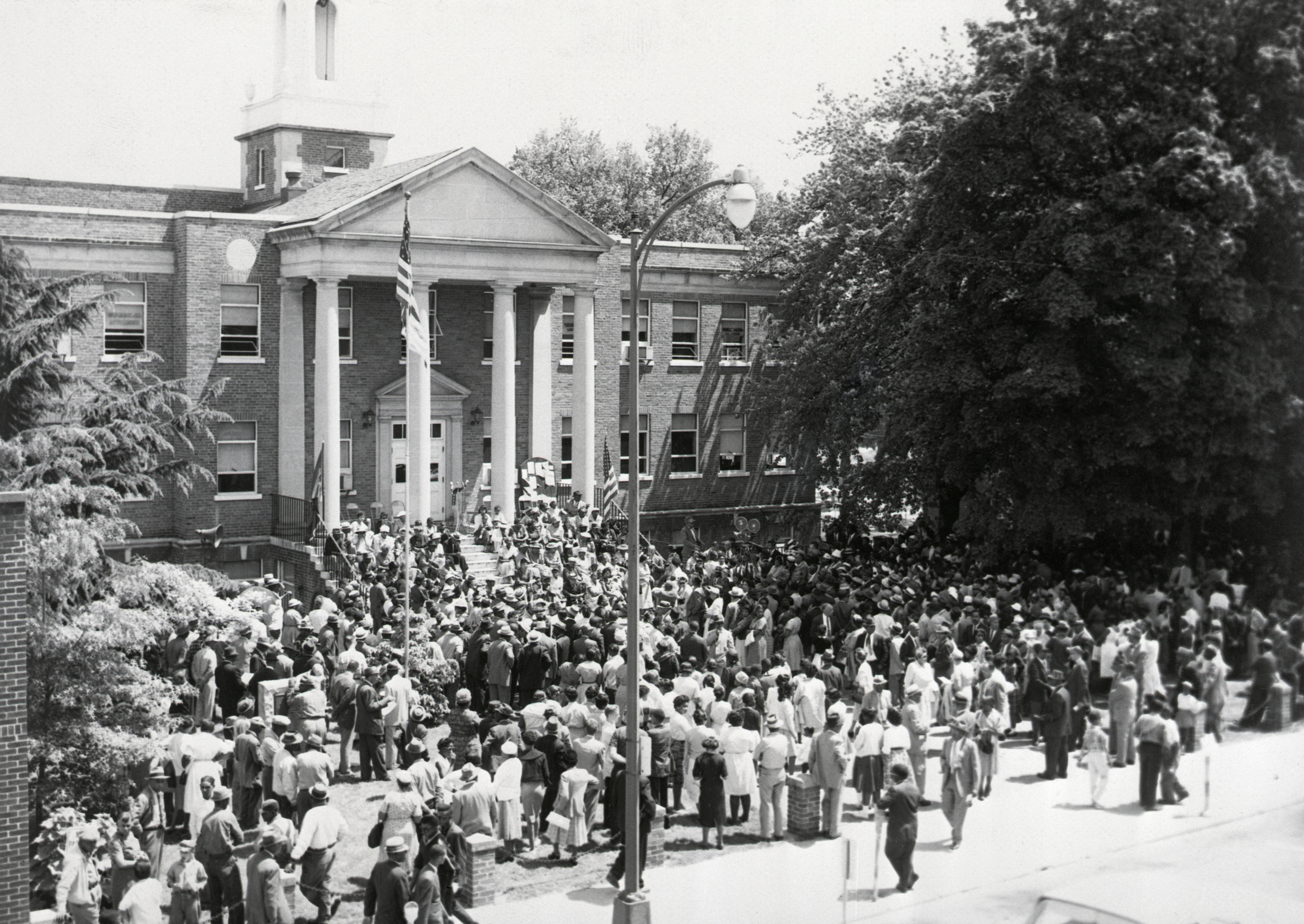
The Supreme Court made its ruling in brown vs board of education in May 1954. The ruling, written by Chief Justice Earl Warren, said that separating students by race in public schools was against the law. The Court said that “separate educational facilities are inherently unequal,” which directly overturned the idea that separate but equal was okay in Plessy v. Ferguson.
The ruling made it clear that education is an important job for state and municipal governments and is important for getting kids ready to be citizens. Segregation made it harder for African American kids to succeed in life by not giving them the same access to educational opportunities. brown vs board of education changed the way American law understood equality.
Brown II and the Issue of Implementation
The 1954 judgment in brown vs board of education was a big step forward, but it didn’t give clear instructions on how to end segregation. The Supreme Court made another ruling in 1955 called Brown II. This decision told states to “desegregate schools with all deliberate speed.”
The phrase “all deliberate speed” was meant to be vague so that states might have some leeway in how they did things. Sadly, this lack of clarity also made it easier for people to resist. Legal tricks and political opposition made it harder for many governments to end segregation. Because of this, many pupils didn’t see the promise of brown vs board of education right once.
People Who didn’t Want Desegregation and Others Who Fought Against it
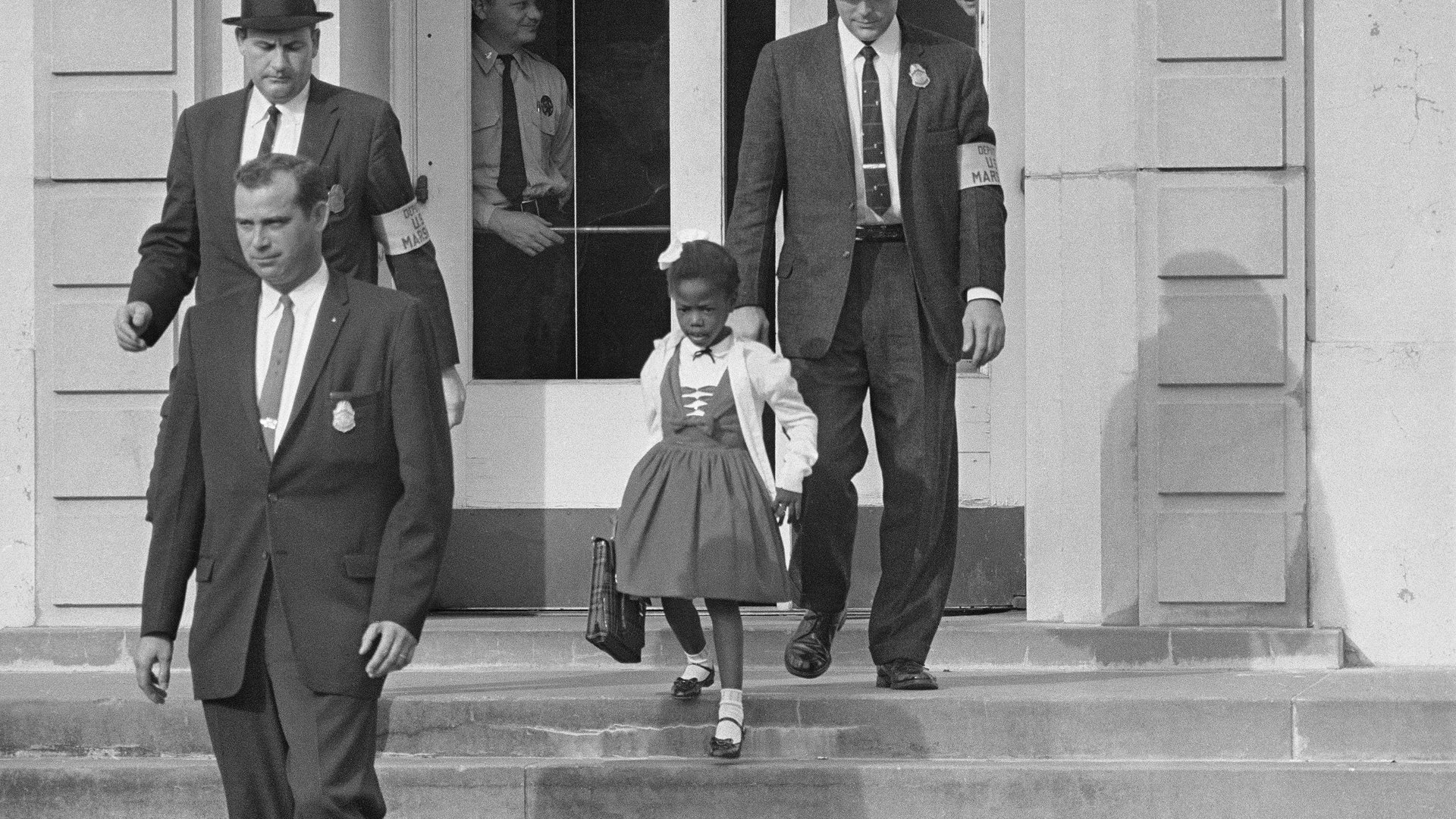
After brown vs board of education, people all around the country, but especially in the South, fought against desegregation. Some politicians openly went against the verdict, saying it violated states’ rights. In the worst circumstances, schools were closed instead of being merged.
In 1957, federal forces had to compel desegregation at Little Rock Central High School in Arkansas. This is a well-known example of resistance. These events showed how divided American society is and how hard it is to enforce Supreme Court decisions.
Table 2: Big Problems After Brown vs Board of Education
| Challenge | Description | Impact |
|---|---|---|
| Political resistance | Opposition from state leaders | Delayed desegregation |
| Legal delays | Court cases and appeals | Slowed implementation |
| Social unrest | Protests and violence | National attention |
| Federal intervention | Use of troops and courts | Enforcement of rulings |
Brown vs Board of Education’s Part in the Civil Rights Movement

The decision in brown vs board of education sparked the larger civil rights movement. The verdict showed that segregation could be successfully challenged in court, which encouraged activists to push for more legal and social changes. It made people believe even more that the Constitution might be used to promote social justice.
The case also made people like Thurgood Marshall more famous. He eventually became the first African American Supreme Court justice. His role in brown vs board of education showed how civil rights activists were becoming more powerful in the American legal system.
Long-Term Effects on Education in the US
Brown vs Board of Education had a big, albeit complicated, effect on American schools. The choice led to more diversity in schools and more chances for minority pupils to learn over time. Federal laws and judicial decisions that expanded on the ideas in brown vs board of education dealt with problems like unequal financing and discrimination.
But there are still problems to solve. Because of where people live and how much money they have, many schools today are still effectively segregated. Even while these kinds of segregation aren’t required by law, they make us think about how well the promise of brown vs board of education has been kept.
Legal Legacy and Continued Significance
Brown vs board of education is still important for constitutional law and how judges think. When courts talk about civil rights, discrimination, and equality, they often bring up this case. The Equal Protection Clause has been developed by its focus on the larger repercussions of discriminatory practices.
The ruling also serves as a reminder that the Constitution is a living constitution that can change as society changes. Brown vs board of education showed that old rules could be changed if they no longer fit with ideas of fairness and equality.
What Brown vs Board of Education Taught us About School and Society
Brown vs board of education teaches us a lot about democracy, not giving up, and following the law. It shows that regular people can make a difference by working together and using the law. The case shows how important education is for a free and fair society.
It also shows that winning in court isn’t always enough. Brown vs board of education set an important legal precedent, but it took more effort, enforcement, and public support for it to be fully realized. This lesson is still important in today’s discussions about fairness and equality.
Important things to Remember About Brown vs Board of Education
- Brown vs Board of Education said that racial segregation in public schools was against the law.
- The ruling got rid of the “separate but equal” rule in schools.
- It was based on the Fourteenth Amendment’s Equal Protection Clause.
- Implementation met with a lot of resistance and delays.
- The case served as a cornerstone for the contemporary civil rights movement.
Conclusion: Why Brown vs Board of Education is Still Important
More than fifty years after the ruling, Brown vs Board of Education is still a strong emblem of the fight for equality in the US. Its importance goes beyond teaching; it also affects how the law is interpreted and how people feel about prejudice. Brown vs Board of Education shows us that making progress frequently means going against long-held beliefs and practices.
The quest to fully equal education is still going on, but the ideas set out in brown vs board of education are still helping to make society fairer. The case changed American law by saying that separation is always unfair. It also underlined the country’s commitment to giving everyone equal opportunities.
Read More:- Business Development Strategy Guide: Growth Planning, Skills, and Models