


Introduction
The concept of birthright citizenship has been one of the most enduring and debated principles in American constitutional law. At the center of this discussion stands the us supreme court birthright citizenship doctrine, which has shaped how the United States defines nationality, belonging, and equality under the law. Rooted in the Fourteenth Amendment, birthright citizenship establishes that nearly every person born on U.S. soil is automatically a U.S. citizen. Over time, this principle has been tested, interpreted, and reaffirmed through judicial decisions, political discourse, and public debate.
Understanding us supreme court birthright citizenship requires a deep look into constitutional history, landmark Supreme Court rulings, and the evolving immigration landscape. This article explores the origins of birthright citizenship, how the Supreme Court has interpreted it, why it remains controversial, and what its future may hold in American law and society.
Constitutional Foundations of Birthright Citizenship
Birthright citizenship in the United States originates from the Fourteenth Amendment, ratified in 1868 after the Civil War. The Citizenship Clause states that all persons born or naturalized in the United States, and subject to its jurisdiction, are citizens of the United States and the state in which they reside. This clause was designed to overturn the infamous Dred Scott decision, which denied citizenship to African Americans, and to ensure equal legal status for formerly enslaved individuals.
The phrase “subject to its jurisdiction” has been central to legal interpretation. From the beginning, courts and lawmakers debated its meaning, but the prevailing understanding was broad. It applied to nearly everyone born within U.S. territory, with limited exceptions such as children of foreign diplomats or enemy occupiers. This broad interpretation laid the groundwork for what would later be clarified by us supreme court birthright citizenship rulings.
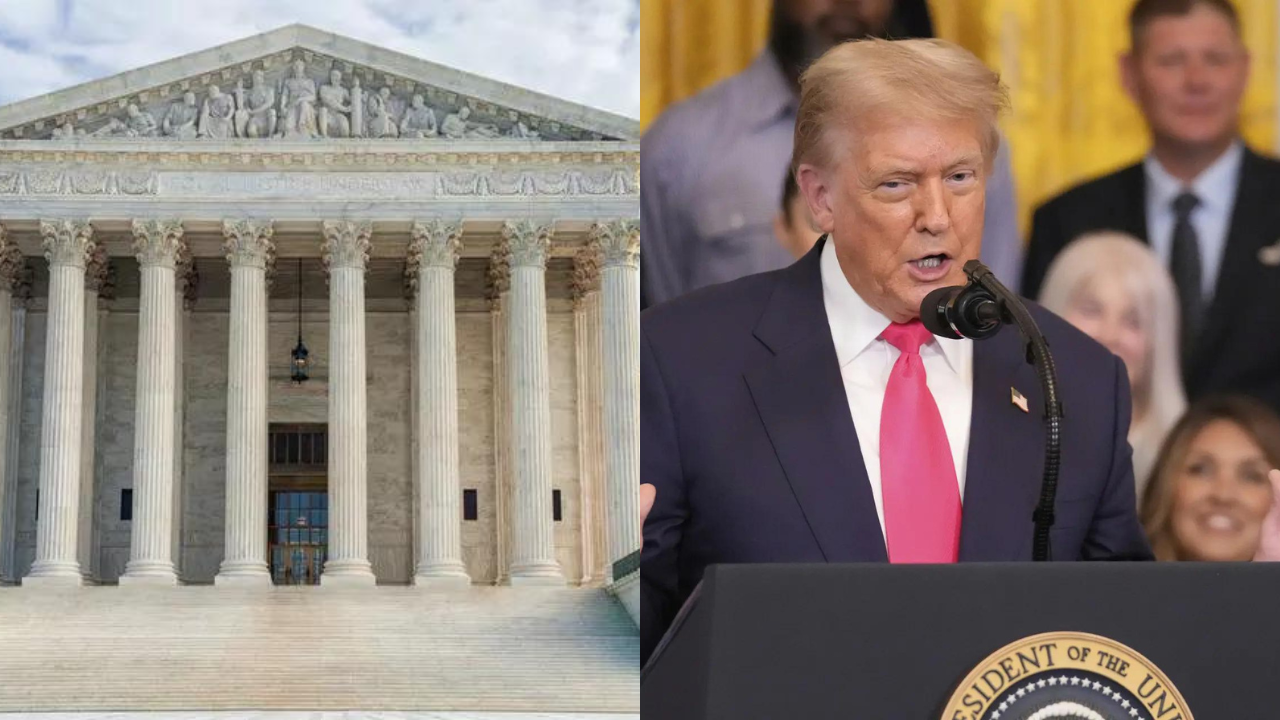
The Role of the US Supreme Court in Defining Citizenship
The U.S. Supreme Court has played a critical role in interpreting the Fourteenth Amendment and defining citizenship rights. While the Constitution sets the foundation, it is the Court that clarifies how these principles apply in real-world situations. Over time, Supreme Court decisions have reinforced the idea that birth on U.S. soil generally confers citizenship, regardless of parents’ nationality or immigration status.
The importance of us supreme court birthright citizenship lies not only in individual cases but also in its broader constitutional impact. Supreme Court interpretations have helped ensure consistency in citizenship law across states and administrations, preventing arbitrary or discriminatory practices that could undermine equal protection.
United States v. Wong Kim Ark: A Landmark Case
The most significant Supreme Court case on birthright citizenship is United States v. Wong Kim Ark, decided in 1898. Wong Kim Ark was born in San Francisco to Chinese immigrant parents who were not U.S. citizens. After traveling abroad, he was denied reentry to the United States on the grounds that he was not a citizen. The case ultimately reached the Supreme Court.
In a landmark ruling, the Court held that Wong Kim Ark was a U.S. citizen by birth under the Fourteenth Amendment. The decision firmly established that children born in the United States to non-citizen parents are citizens, provided the parents are subject to U.S. jurisdiction. This ruling became the cornerstone of us supreme court birthright citizenship doctrine and has been cited repeatedly in legal arguments and scholarly analysis.
Legal Meaning of “Subject to Its Jurisdiction”
One of the most debated aspects of birthright citizenship is the meaning of “subject to its jurisdiction.” The Supreme Court has generally interpreted this phrase to mean subject to U.S. laws and authority. This includes most immigrants, whether they are lawful permanent residents, temporary visitors, or undocumented individuals.
The Court has consistently rejected narrow interpretations that would exclude large categories of people. In the context of us supreme court birthright citizenship, the jurisdiction clause has been understood as inclusive rather than restrictive. This interpretation aligns with the amendment’s original purpose: to prevent the exclusion of vulnerable populations from citizenship.
Immigration and Birthright Citizenship
Immigration has played a major role in shaping debates around birthright citizenship. As immigration patterns changed over the centuries, questions emerged about whether children born to immigrants should automatically receive citizenship. Critics argue that birthright citizenship encourages unauthorized immigration, while supporters emphasize its constitutional basis and role in promoting equality.
Despite political debates, the Supreme Court has not altered its fundamental stance. Us supreme court birthright citizenship remains grounded in constitutional interpretation rather than shifting policy preferences. This distinction highlights the separation between legislative authority and judicial responsibility in upholding constitutional rights.

Political Challenges and Public Debate
Birthright citizenship has become a frequent topic in political campaigns and public discourse. Some political leaders have called for its limitation or reinterpretation, often suggesting that executive action or legislation could change the rule. However, constitutional scholars widely agree that altering birthright citizenship would require a constitutional amendment or a reversal of long-standing Supreme Court precedent.
The endurance of us supreme court birthright citizenship demonstrates the strength of constitutional protections against political fluctuations. While public opinion may vary, the Supreme Court’s role is to interpret the Constitution, not to respond to temporary political pressures.
Executive Authority and Constitutional Limits
Questions often arise about whether the president or Congress can unilaterally end birthright citizenship. The prevailing legal view is that neither branch has the authority to override the Constitution as interpreted by the Supreme Court. Any attempt to limit birthright citizenship through executive order would almost certainly face constitutional challenges.
The stability of us supreme court birthright citizenship lies in its constitutional foundation. Supreme Court precedent acts as a safeguard, ensuring that fundamental rights are not easily eroded by changes in administration or policy priorities.
International Context of Birthright Citizenship
The United States is one of several countries that practice birthright citizenship, also known as jus soli. While some nations have modified or restricted this principle, the U.S. approach remains among the most inclusive. This inclusivity reflects historical values tied to immigration, diversity, and equality.
The Supreme Court’s interpretation reinforces the idea that American citizenship is not based solely on ancestry or bloodline. Us supreme court birthright citizenship emphasizes legal equality and the notion that national identity is shaped by shared laws and civic participation.
Social and Economic Impacts
Birthright citizenship has profound social and economic implications. It ensures that individuals born in the United States have access to education, employment opportunities, and civic participation. By granting citizenship at birth, the law prevents the creation of a permanent underclass of stateless individuals.
The Supreme Court’s role in preserving this principle underscores its importance to social cohesion. Us supreme court birthright citizenship supports integration and stability by providing clear legal status from birth, reducing uncertainty and legal disputes later in life.
Misconceptions About Birthright Citizenship
Many misconceptions surround birthright citizenship, including the idea that it is unique to modern immigration or that it was intended to be temporary. Historical evidence and Supreme Court rulings contradict these claims. The Fourteenth Amendment was deliberately written to provide broad protection, and the Supreme Court has consistently upheld that intent.
Understanding us supreme court birthright citizenship requires separating legal reality from political rhetoric. While debates may continue, the legal foundation remains strong and well-established.
Potential Future Supreme Court Cases
Although the Supreme Court has not recently overturned its birthright citizenship precedent, legal challenges could arise in the future. Changes in Court composition or novel legal arguments may bring the issue back before the justices. However, overturning such a deeply rooted precedent would require compelling constitutional reasoning.
Most legal experts believe that us supreme court birthright citizenship is unlikely to change without a constitutional amendment. The doctrine’s longevity and repeated affirmation suggest a high level of judicial stability.

Birthright Citizenship and Equal Protection
Birthright citizenship is closely tied to the Equal Protection Clause of the Fourteenth Amendment. By granting citizenship based on place of birth, the law avoids discrimination based on race, ethnicity, or parentage. This principle aligns with the broader goals of the amendment to promote fairness and equality.
The Supreme Court’s defense of us supreme court birthright citizenship reinforces the idea that citizenship should not be used as a tool of exclusion. Instead, it serves as a foundation for equal rights and responsibilities under the law.
Legal Scholarship and Academic Perspectives
Legal scholars have extensively analyzed birthright citizenship, often highlighting its role in strengthening democracy. Academic discussions emphasize that automatic citizenship fosters loyalty, participation, and a sense of belonging among diverse populations.
The consistency of us supreme court birthright citizenship in judicial reasoning provides a stable framework for scholarly analysis. This stability allows policymakers and academics to focus on practical solutions to immigration challenges without undermining constitutional principles.
Conclusion: The Enduring Significance of Birthright Citizenship
The principle of birthright citizenship remains a cornerstone of American constitutional law. Through historical context, landmark rulings, and ongoing debates, the Supreme Court has consistently upheld the idea that birth on U.S. soil confers citizenship. The doctrine of us supreme court birthright citizenship reflects the nation’s commitment to equality, inclusion, and the rule of law.
As immigration and demographic changes continue to shape the United States, birthright citizenship will remain a focal point of legal and political discussion. Yet its constitutional foundation and strong Supreme Court precedent suggest that it will continue to define American citizenship for generations to come.
Read More:- Dhurandhar Movie: A Deep Dive into Story, Vision, and Expectations