

Introduction
Website development is the foundation of today’s digital world, enabling businesses, organizations, and individuals to establish a strong online presence. From simple informational pages to complex enterprise platforms, website development combines strategy, design, technology, and user experience to create functional and engaging digital products. In an era where most customer journeys begin online, a well-developed website is no longer optional; it is a strategic necessity.
Modern website development goes beyond coding pages that load in a browser. It includes understanding user behavior, aligning business goals, ensuring security, optimizing performance, and preparing platforms for future growth. As technologies evolve, so do expectations, making it critical to adopt structured and forward-looking approaches.
This article explores website development in detail, covering its core concepts, processes, technologies, benefits, challenges, and future trends. By the end, readers will have a deep understanding of how effective website development supports long-term digital success.
What Is Website Development
Website development refers to the process of creating, building, and maintaining websites. It involves multiple disciplines, including front-end development, back-end development, database management, performance optimization, and ongoing maintenance. Each component works together to deliver a seamless experience for users while meeting technical and business requirements.
At its core, website development transforms ideas and requirements into a functional digital platform. It ensures that a website is visually appealing, easy to navigate, secure, and capable of handling traffic efficiently. The scope of website development can range from single-page sites to large-scale applications supporting thousands of users simultaneously.
Types of Website Development
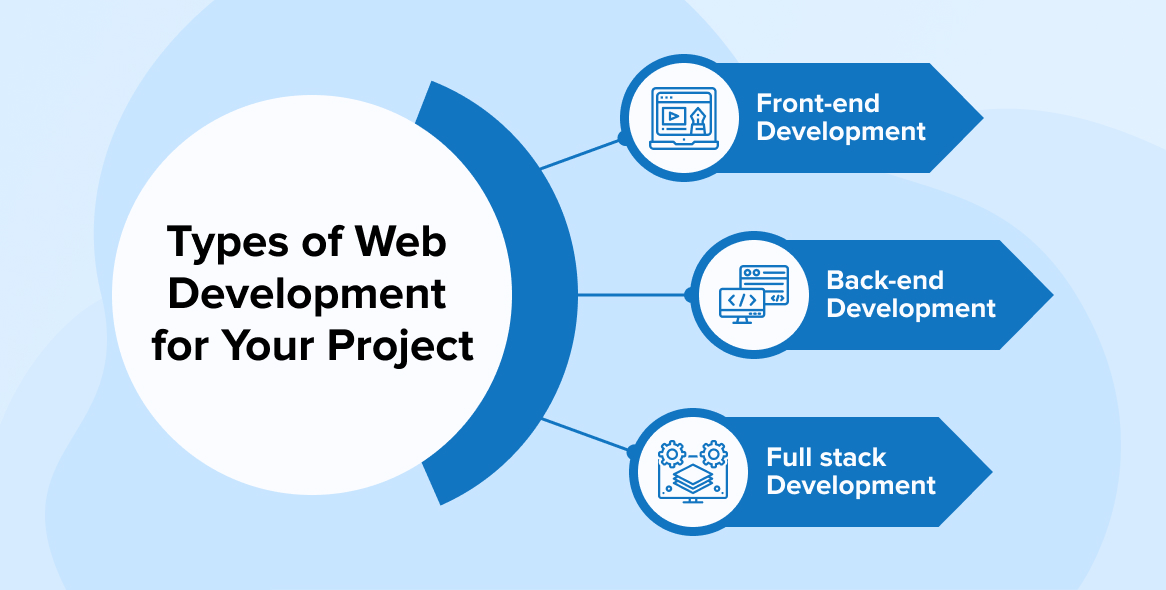
Website development can be categorized into several types based on functionality and purpose. Understanding these categories helps organizations choose the right approach for their goals.
Front-End Development
Front-end development focuses on everything users see and interact with directly. It involves creating layouts, visual elements, and interactive components that ensure usability and accessibility. Technologies such as HTML, CSS, and JavaScript form the backbone of front-end development.
Back-End Development
Back-end development handles server-side logic, databases, and application functionality. It ensures that data flows correctly between users and systems, enabling features such as authentication, content management, and transactions.
Full-Stack Development
Full-stack development combines front-end and back-end expertise, allowing developers to manage the entire website development lifecycle. This approach provides flexibility and streamlined collaboration.
Custom and CMS-Based Development
Some website development projects involve fully custom solutions, while others rely on content management systems. Each approach has advantages depending on scalability, budget, and content needs.
The Website Development Process

A structured process is essential for successful website development. Each stage contributes to building a reliable and scalable website.
Requirement Analysis and Planning
The first step in website development involves understanding goals, target audiences, and technical requirements. Clear planning reduces risks and ensures alignment with business objectives.
Design and User Experience
Design focuses on visual identity, layout, and user journeys. Effective design enhances engagement and supports intuitive navigation, which is critical for conversion and retention.
Development and Integration
During this phase, developers write code, integrate databases, and implement features. This is where the technical foundation of website development takes shape.
Testing and Quality Assurance
Testing ensures that the website functions correctly across devices, browsers, and operating systems. Performance, security, and usability testing are integral to professional website development.
Deployment and Maintenance
After launch, ongoing maintenance keeps the website secure, updated, and optimized. Continuous improvement is a key aspect of long-term website development success.
Core Technologies Used in Website Development
Website development relies on a wide range of technologies that work together to deliver functionality and performance.
| Technology Layer | Purpose in Website Development | Common Use Cases |
|---|---|---|
| Front-End | User interface and experience | Layouts, forms, animations |
| Back-End | Server logic and data handling | Authentication, APIs |
| Database | Data storage and retrieval | User data, content |
| Hosting | Website availability | Deployment and uptime |
| Security | Protection and compliance | Encryption, access control |
These technologies evolve constantly, making continuous learning essential in website development.
Importance of Website Development for Businesses

Website development plays a vital role in establishing credibility, reaching customers, and driving growth. A professionally developed website builds trust and provides a platform for communication, sales, and support.
For businesses, website development supports branding by delivering consistent visual and messaging elements. It also enables data collection and analytics, helping organizations make informed decisions. Scalable website development ensures that digital platforms grow alongside business needs without compromising performance.
Website Development and User Experience
User experience is a central pillar of website development. A site that is difficult to navigate or slow to load will fail regardless of how advanced its features are. Website development focuses on usability, accessibility, and responsiveness to meet diverse user expectations.
Designing with users in mind improves engagement and reduces bounce rates. Accessibility considerations ensure that websites can be used by people with different abilities, expanding reach and compliance.
Role of Performance and Security
Performance and security are critical in modern website development. Slow websites frustrate users and negatively impact search visibility, while security vulnerabilities can damage reputation and trust.
Optimized code, efficient databases, and reliable hosting contribute to performance. Security measures such as encryption, authentication, and regular updates protect sensitive information. Professional website development integrates these aspects from the beginning rather than treating them as afterthoughts.
Benefits of Professional Website Development
Choosing a structured and professional approach to website development offers long-term advantages that extend beyond initial launch.
-
Improved credibility and brand trust through consistent design and functionality
-
Enhanced scalability to support future growth and new features
-
Better performance and reliability under varying traffic conditions
-
Stronger security and protection of user data
-
Higher engagement and conversion through user-focused experiences
Website Development Challenges and Solutions
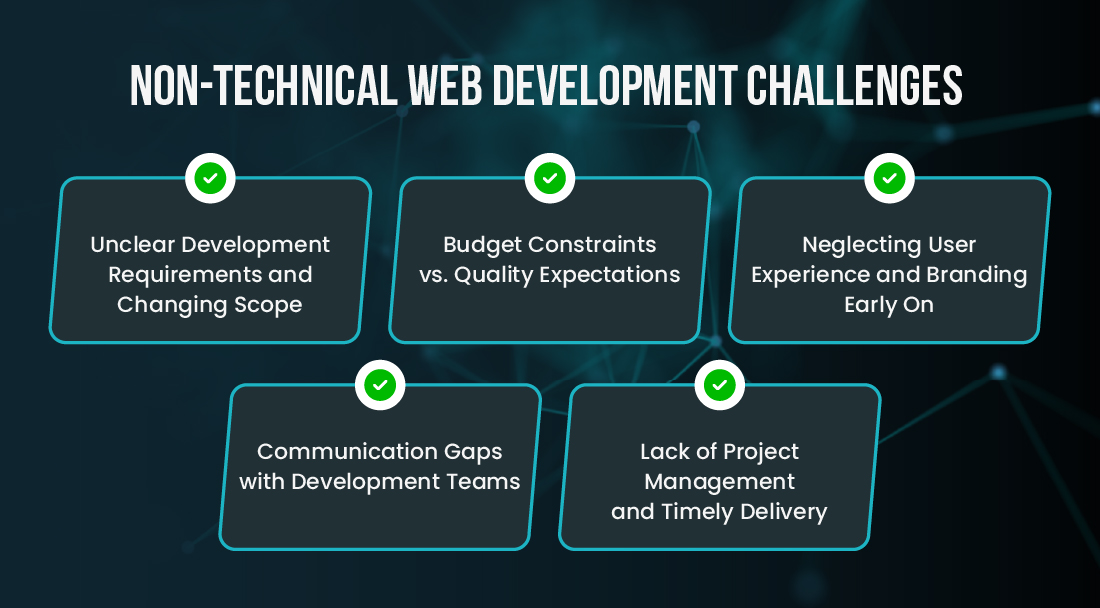
Despite its benefits, website development presents challenges that require careful management.
Managing Complexity
As websites grow, complexity increases. Modular architecture and clear documentation help manage large website development projects.
Keeping Up with Technology
Rapid technological change can make platforms outdated quickly. Adopting flexible frameworks ensures longevity in website development.
Balancing Cost and Quality
Budget constraints can limit features. Prioritizing core functionality helps maintain quality without overspending.
Ensuring Consistent Maintenance
Websites require ongoing attention. A maintenance strategy is essential for sustainable website development.
Website Development Methodologies
Different methodologies guide how website development projects are executed. Agile approaches emphasize flexibility and continuous improvement, while traditional models focus on detailed planning upfront. Selecting the right methodology depends on project scope, timeline, and stakeholder involvement.
Comparison of Website Development Approaches
| Approach | Key Characteristics | Best Use Case |
|---|---|---|
| Custom Development | Fully tailored solutions | Complex or unique requirements |
| CMS-Based Development | Content-focused platforms | Frequent updates |
| Hybrid Development | Mix of custom and CMS | Balanced flexibility |
| Progressive Web Apps | App-like web experiences | High engagement needs |
Each approach supports different goals within website development strategies.
Future Trends in Website Development
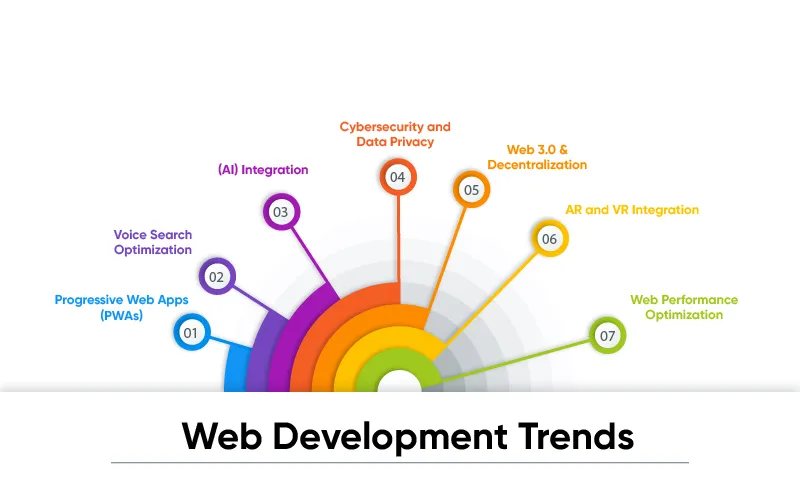
The future of website development is shaped by emerging technologies and evolving user expectations. Automation, artificial intelligence, and enhanced interactivity are influencing how websites are built and maintained.
Personalization is becoming central, with website development focusing on delivering tailored content and experiences. Performance optimization and sustainability are also gaining importance as digital platforms scale globally.
Website Development Best Practices
Adhering to best practices ensures that website development projects remain efficient and effective. Clear documentation, code quality standards, and regular testing reduce risks. Collaboration between designers, developers, and stakeholders improves outcomes.
Website development also benefits from data-driven decisions. Analytics and user feedback guide improvements and support long-term optimization.
Measuring Website Development Success
Success in website development is measured through performance, usability, and business impact. Metrics such as load time, engagement, and conversion rates provide insights into effectiveness. Continuous monitoring allows teams to refine strategies and adapt to changing needs.
Conclusion: The Strategic Value of Website Development
Website development is a dynamic and strategic discipline that underpins digital success. It combines technical expertise, creative design, and user-focused thinking to deliver platforms that inform, engage, and convert audiences. As digital expectations continue to rise, investing in structured and scalable website development is essential for long-term growth.
By understanding processes, technologies, challenges, and trends, organizations can approach website development with clarity and confidence. A well-developed website is not just a digital asset; it is a living platform that evolves alongside business goals and user needs.
Read More:- Professional Development Goals: A Complete Career Growth Guide